Noise stress can be more exhausting than many people expect.
Repeated footsteps, furniture dragging, objects dropping, or sudden thumping sounds from upstairs can make your body tense and your mind highly sensitive.
When this happens for a long time, it may lead to anxiety, anger, poor sleep, and emotional fatigue.
Of course, meditation does not remove the noise itself.
However, it can help you reduce your emotional reaction to the noise and protect your mental well-being.
1. Why Noise Stress Feels So Overwhelming
Noise from neighbors is difficult because it is often unpredictable.
You may not know when the next sound will happen, so your body stays alert even when you are trying to rest.
This can make you feel tense at home, which should be your safest and most comfortable place.
Over time, even small sounds may begin to feel much bigger than they actually are.
That is why it is important to manage both the noise problem and your stress response.

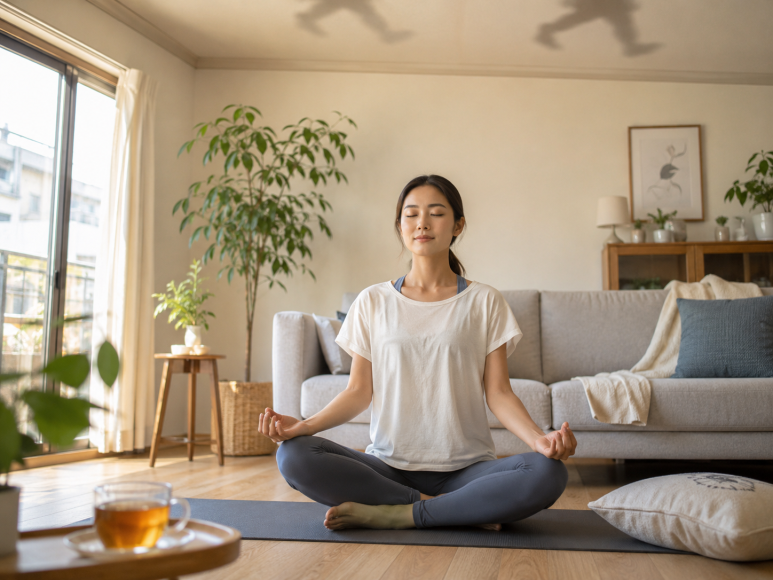
2. Try a 3-Minute Breathing Meditation
A simple breathing meditation can help when you feel angry or anxious because of noise.
Sit comfortably on a chair, sofa, or floor.
Close your eyes gently, or look down at one spot.
Breathe in slowly through your nose.
Then breathe out a little longer than you breathed in.
You can say silently:
“I am breathing in.”
“I am breathing out.”
“I am calming my body.”
If you hear noise again, do not try to fight it.
Simply notice it and return your attention to your breathing.
The goal is not to make your mind empty.
The goal is to come back to your breath whenever your mind becomes tense.
3. Sound Awareness Meditation
Noise becomes more stressful when we attach thoughts and emotions to it.
For example, when you hear a thumping sound, you may immediately think:
“Not again.”
“They are so inconsiderate.”
“I cannot live like this.”
These thoughts can increase anger and anxiety.
Instead, try observing the sound without judging it.
When you hear a sound, say silently:
“A sound is present.”
“It came and went.”
“I am noticing the sound.”
This does not mean you have to accept unfair noise.
It simply helps create a small space between the sound and your emotional reaction.
That small space can help you respond more calmly.
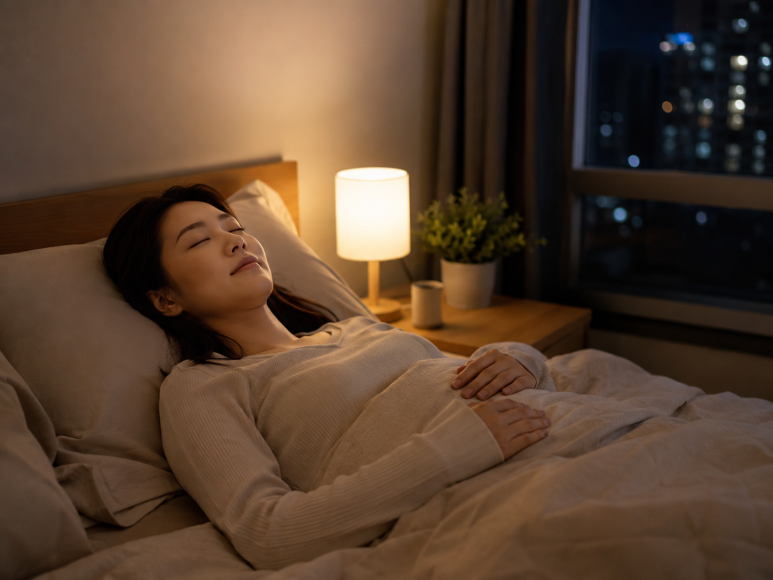
4. Body Relaxation Meditation Before Sleep
Noise stress often becomes worse at night.
When you are trying to sleep, even small sounds can feel disturbing.
Before going to bed, try a simple body relaxation meditation.
Lie down comfortably.
Close your eyes and slowly move your attention from your feet to your head.
Notice each part of your body:
feet, legs, hips, back, shoulders, arms, hands, neck, jaw, and face.
As you focus on each area, say silently:
“Relax.”
“Let go.”
“It is okay to rest.”
Pay special attention to your shoulders and jaw.
These areas often hold a lot of tension.
If you hear noise, gently return your attention to your body.
You do not have to force yourself to sleep.
Just allow your body to become softer and calmer.
5. The 10-Second Pause When Anger Rises
When noise continues, anger can rise very quickly.
You may want to complain immediately or react emotionally.
Before taking action, pause for just 10 seconds.
Say silently:
“Pause.”
Then take one deep breath in and one long breath out.
Ask yourself:
“Will acting right now help the situation?”
“Can I respond after I calm down a little?”
“What result do I actually want?”
This short pause can help prevent emotional reactions that may make the conflict worse.
It can also help you write a calmer message, contact building management more clearly, or record the noise more objectively.
6. Helpful Habits to Practice Together
Meditation is helpful, but it is also important to keep a record of repeated noise.
Write down the date, time, type of noise, and how long it lasted.
For example:
“May 6, 10:30 p.m. — running sound continued for about 15 minutes.”
This helps you organize the situation more clearly.
It can also be useful if you later speak with building management, neighbors, or a mediation service.
You may also try simple habits such as drinking warm tea, stretching lightly, using white noise, or keeping a regular sleep routine.
Conclusion
Noise stress is not just a small inconvenience.
When it continues for a long time, it can affect your sleep, emotions, and sense of safety at home.
Breathing meditation, sound awareness meditation, body relaxation, and the 10-second pause can help you calm your body and mind.
Meditation does not mean you have to ignore the problem.
You can still take practical steps to resolve the noise issue.
But while you deal with the problem, it is also important to protect your own mental health.
Even three minutes of breathing can be a small but meaningful way to bring your mind back to a calmer place.


