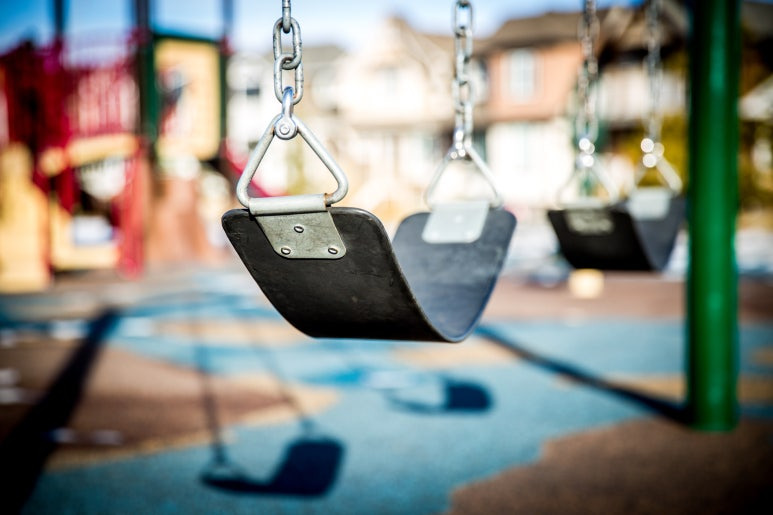
As the weather gets warmer, playgrounds in apartment complexes become more active. Children playing, laughing, and parents chatting are all part of everyday community life—but for residents living near these playgrounds, the noise can become a source of stress.
In this post, we’ll walk through realistic and effective ways to deal with playground noise while minimizing conflict with neighbors.
1. Understand the Nature of Playground Noise
Playground noise is different from typical indoor noise (like floor impact noise).
- Children playing → considered normal living noise
- Loud conversations or shouting → manageable noise
- Noise late at night → valid complaint
👉 The key is to evaluate noise based on time, intensity, and duration, not just presence.
2. First Step: Contact Building Management
Before approaching individuals directly, always go through official channels.
✔ What to request
- Announcement reminding residents of quiet hours
- Posting notices about playground usage times
- Increased evening patrols
✔ Why it works
- Avoids personal conflict
- Applies rules to the whole community
- Often resolves the issue quickly
👉 In many cases, just one or two announcements significantly reduce noise levels.
3. Direct Communication (Use with Caution)
If the issue persists, you may consider speaking directly.
✔ Recommended approach
- Stay calm and polite
- Frame it as a request, not a complaint
Example:
❌ “It’s too loud. Stop it.”
✅ “It’s getting late—could you please keep it a bit quieter?”
✔ Avoid at all costs
- Arguing or raising your voice
- Scolding children directly
- Recording or confronting aggressively
👉 In apartment living, one emotional confrontation can escalate into long-term conflict.
4. Consider Structural and Practical Solutions
If noise continues regularly, consider adapting your environment.
✔ Immediate solutions
- Soundproof curtains or window insulation
- White noise machines for sleep
- Rearranging sleeping areas away from noise source
✔ Long-term solutions
- Request playground usage time restrictions
- Suggest installation of signage
- Advocate for noise-reducing ground materials
5. Know the Rules and Standards
Playground noise is not always strictly regulated, but there are guidelines:
- Quiet hours: typically 10 PM to 6 AM
- Repetitive and excessive noise → can be subject to complaints
- Community rules (HOA or management policies) often apply
👉 Nighttime noise is the most actionable category.
6. Key Takeaways
- Playground noise is not something you can eliminate completely, but you can manage it
- The best approach is
- → Management → Notice → Polite request
- Long-term improvement requires community rules and environment adjustments

Conclusion
Noise in shared living spaces isn’t about who’s right—it’s about finding a balance that allows everyone to coexist comfortably.
Instead of reacting emotionally, using structured and reasonable approaches will lead to better, faster results.
With the right strategy, even persistent playground noise can be significantly reduced.
'층간소음' 카테고리의 다른 글
| 楼层噪音和耳鸣,真的会有关联吗? (0) | 2026.05.27 |
|---|---|
| Can Apartment Noise and Tinnitus Really Be Connected? (0) | 2026.05.26 |
| 층간소음과 이명(귀울림), 정말 연결될 수 있을까? (0) | 2026.05.25 |
| Apartment Noise During Pregnancy:One Mother Lost Her Baby, Another Delivered a Healthy ChildReal Cases and Practical Solutions for Pregnant Women (0) | 2026.05.25 |
| 怀孕期间的楼层噪音:一位孕妇流产,另一位顺利生产真实案例与孕妇应对指南 (0) | 2026.05.24 |


