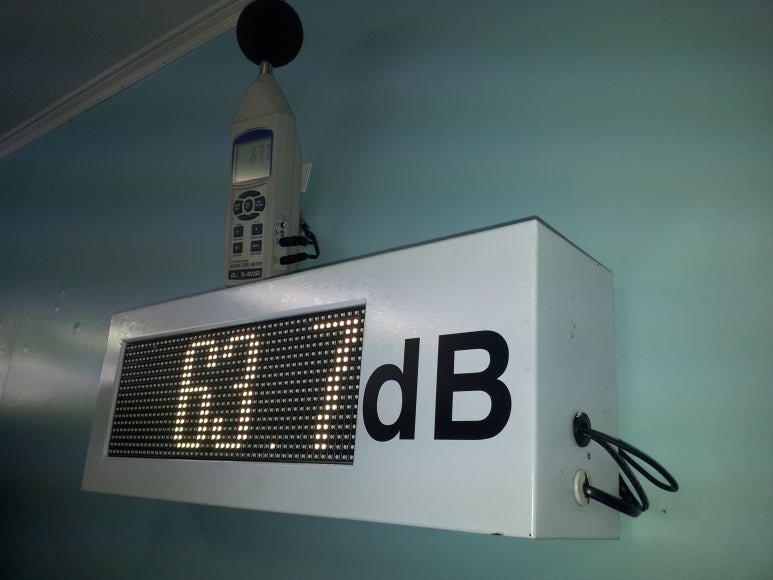
🔊 “You feel it… but the test says ‘normal’”
Have you ever experienced this?
👉 Your home feels like it’s vibrating
👉 You feel discomfort and can’t sleep
👉 But measurement results say: “Normal”
So you start thinking:
👉 “Am I just too sensitive?”
👉 The answer is NO
👉 This may be low-frequency noise
🧠 A limitation officially recognized
According to environmental guidelines:
👉 Traditional noise standards
👉 cannot properly evaluate low-frequency noise impact
👉 This means:
👉 Existing systems are incomplete
🧠 What is low-frequency noise?
👉 Sound below 100 Hz
✔ Characteristics
- Hard to hear
- Felt through the body
- Travels long distances
👉 That’s why it is more harmful
⚠️ Why is it hard to measure?
👉 Standard noise measurements do NOT work
👉 Requires:
👉 Frequency analysis (12.5–80 Hz)
📊 Key reference levels
- 12.5 Hz → 85 dB
- 31.5 Hz → 65 dB
- 80 Hz → 45 dB
👉 If ANY of these are exceeded
👉 Low-frequency impact exists
💣 The critical truth
👉 These are NOT legal punishment limits
👉 They are diagnostic reference values
👉 Meaning:
👉 Problems exist
👉 But enforcement is difficult
🧠 What this creates
👉 Victims suffer
👉 Sources deny responsibility
👉 Conflicts escalate
📌 Final takeaway
👉 “Low-frequency noise exists—but current standards often fail to capture it.”
'공사장소음' 카테고리의 다른 글
| 측정해도 안 나온다?|저주파 소음이 해결되지 않는 진짜 이유 (환경부 가이드 분석) (0) | 2026.04.20 |
|---|---|
| “¿Por qué no aparece en la medición? (La verdad sobre el ruido de baja frecuencia)” (0) | 2026.04.20 |
| “为什么测不出来?低频噪音的真相(官方指南解析)” (0) | 2026.04.20 |
| “No Lo Escuchas… Pero Está Empeorando (Cómo Resolver el Ruido de Baja Frecuencia)” (0) | 2026.04.19 |
| “听不到,却越来越难受(低频噪音解决方法)” (0) | 2026.04.19 |


